What Is Kinesthetic Learning? A Simple Definition With Real Examples
Ask a teacher about the child who learns multiplication the moment it becomes a hopping game — but forgets it when it’s just a worksheet — and you’re hearing about kinesthetic learning. So what is kinesthetic learning, exactly? In plain terms: it’s learning by doing, moving, and touching rather than only listening or watching.
This article gives you a clear definition, everyday examples, the signs to look for in your child, and what to do once you recognize them.
The definition
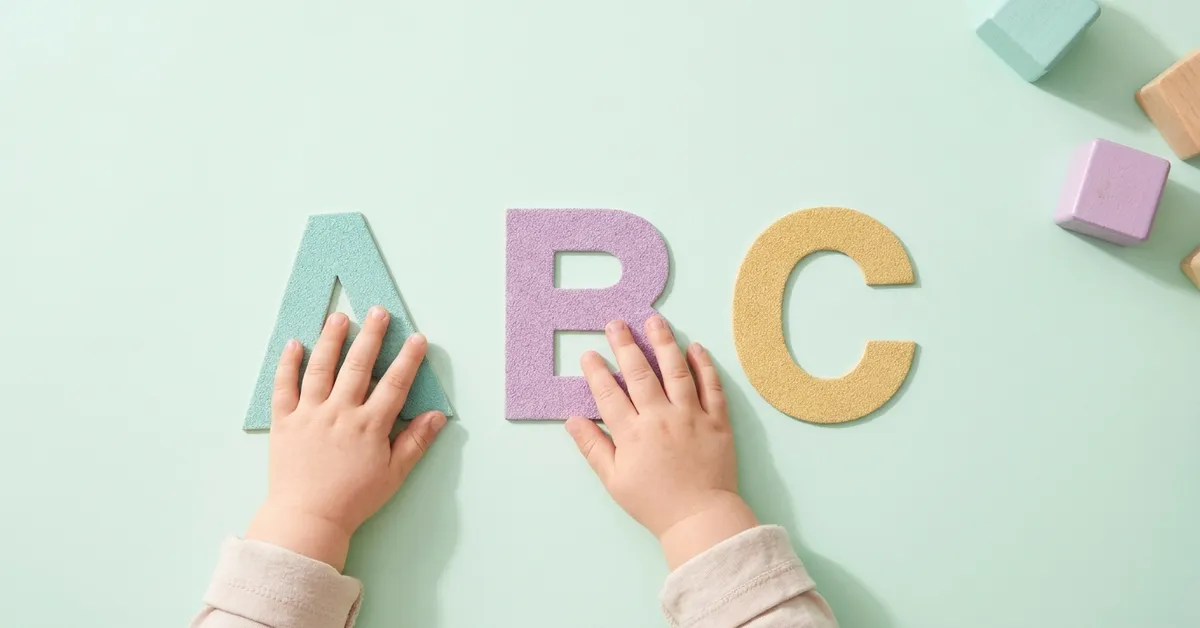
Kinesthetic learning (also called tactile learning) is a learning preference in which a person understands and remembers information best through physical activity and hands-on experience. Instead of absorbing a lesson by hearing it or seeing it, a kinesthetic learner absorbs it by doing it — building, acting out, manipulating objects, or moving their body.
It’s the “K” in the well-known VARK model of learning preferences: Visual, Auditory, Reading/writing, and Kinesthetic. Few people are purely one type; most children use a blend, with one or two preferences leading. For the full picture of how this works and why it matters, see our complete guide to kinesthetic learning.
What it looks like in real life
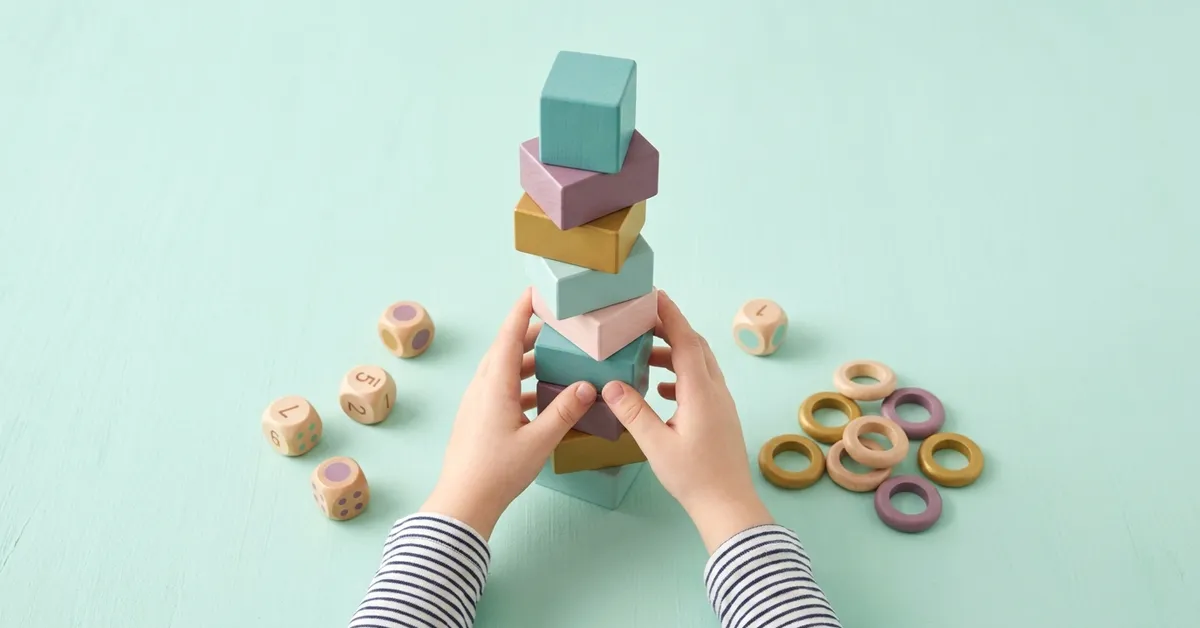
Definitions are abstract — examples make it click. Kinesthetic learning is:
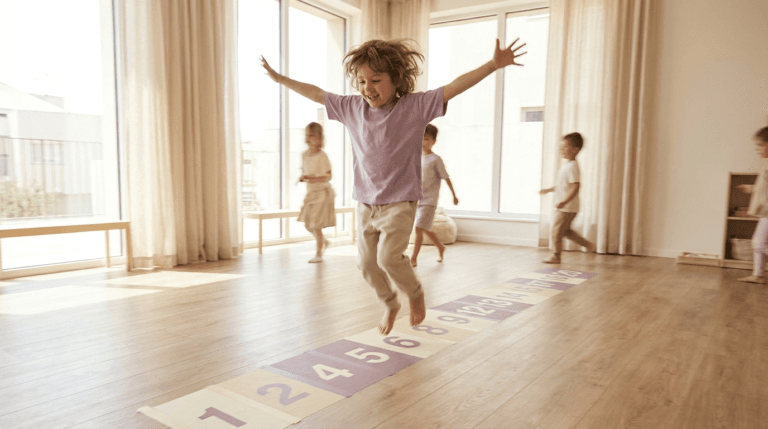
- A child who learns to count by jumping once for each number
- A student who finally understands fractions when cutting a real apple into quarters
- A child who remembers spelling words by tracing letters in the air
- A kid who can’t recall what the teacher said, but perfectly remembers what the class did
- A child who fidgets while thinking — and thinks better because of it
Notice the pattern: in every example, the body is part of the learning. That’s the heart of it.
Kinesthetic vs visual vs auditory learning
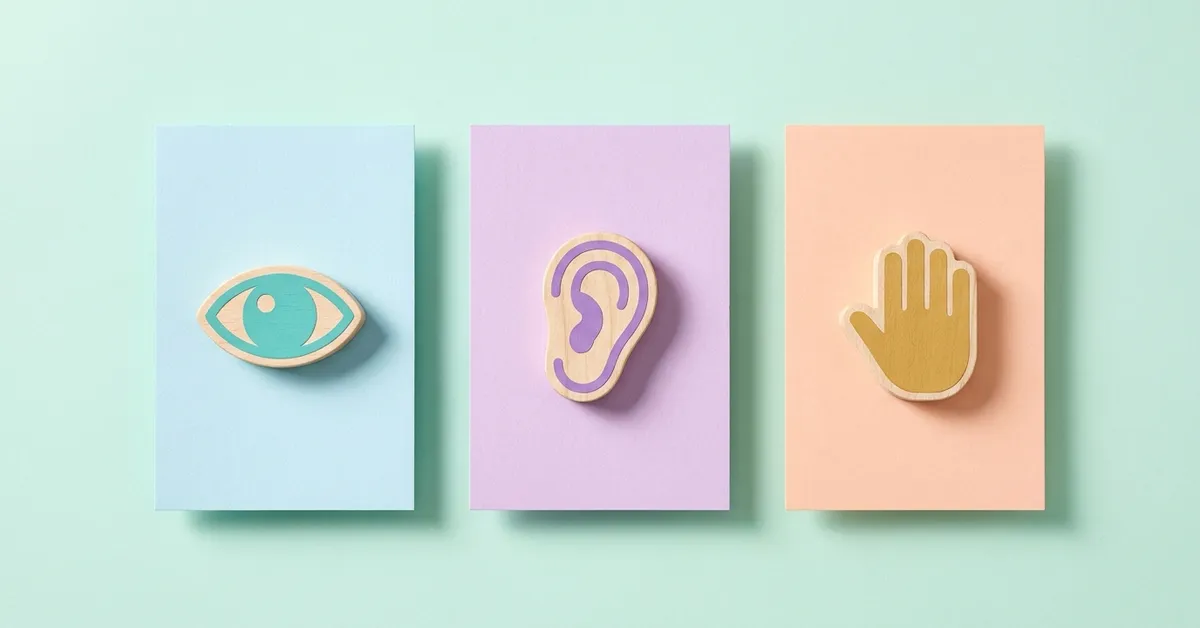
A quick comparison helps:
- Visual learners prefer diagrams, pictures, and seeing information laid out.
- Auditory learners prefer explanations, discussion, and hearing ideas.
- Kinesthetic learners prefer doing — movement, touch, and hands-on practice.
None of these is better than the others, and most children benefit from a mix. The problem appears when a strongly kinesthetic child is taught only through sitting, listening, and watching — the least effective channel for them. If you want help identifying your child’s mix, our guide to the kinesthetic learning style walks through it.
Signs your child may be a kinesthetic learner
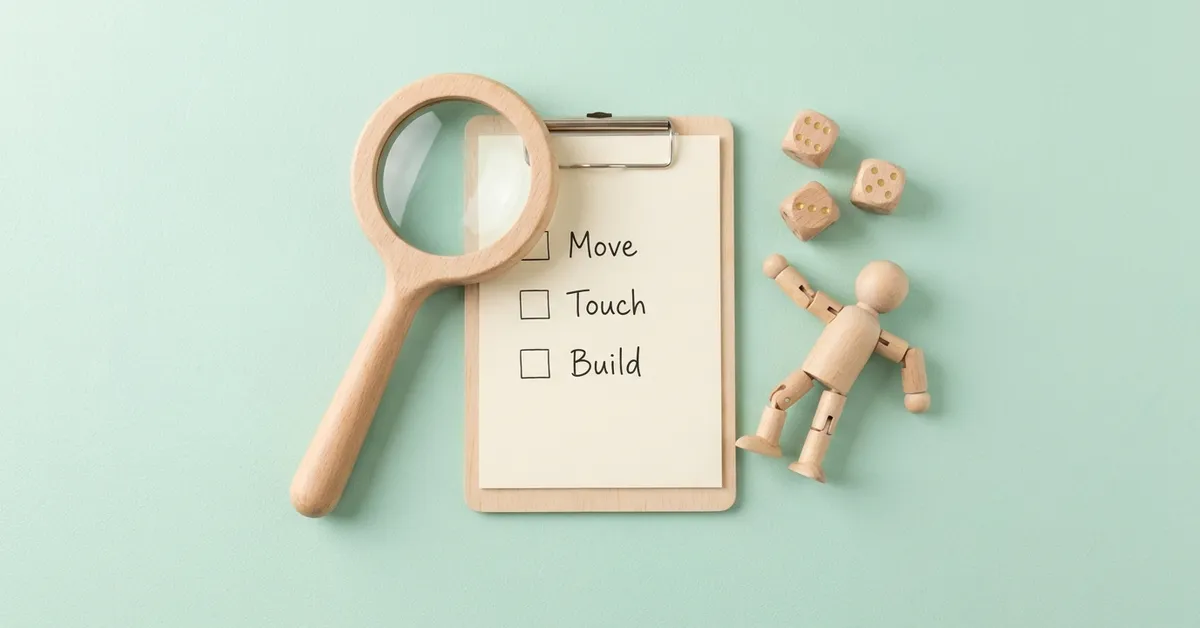
You’ll usually see it before anyone names it:
- Restlessness during long, still lessons — but deep focus during activities
- A strong pull toward building, sports, dance, crafts, or taking things apart
- Talking with their hands; pacing while thinking
- Remembering experiences vividly, instructions vaguely
- “Let me try it” as a default response to anything new
If several of these sound familiar, your child likely has a strong kinesthetic preference — and that’s a strength to build on, not a problem to manage.
Why it matters (especially for school subjects)
School leans heavily on sitting, listening, and reading. A kinesthetic learner in that environment can start to believe they’re “bad at learning,” when really they’re just being taught through their weakest channel. The risk is biggest in abstract subjects like math, where there’s nothing to touch — unless an adult deliberately makes the learning physical.
The fix isn’t to change the child; it’s to change the method. Movement-based games, hands-on practice, and active learning tools can transform both results and confidence. For concrete ideas, see our kinesthetic learning activities — and for the youngest learners, kinesthetic learning for kids.
How Active Minds puts this into practice
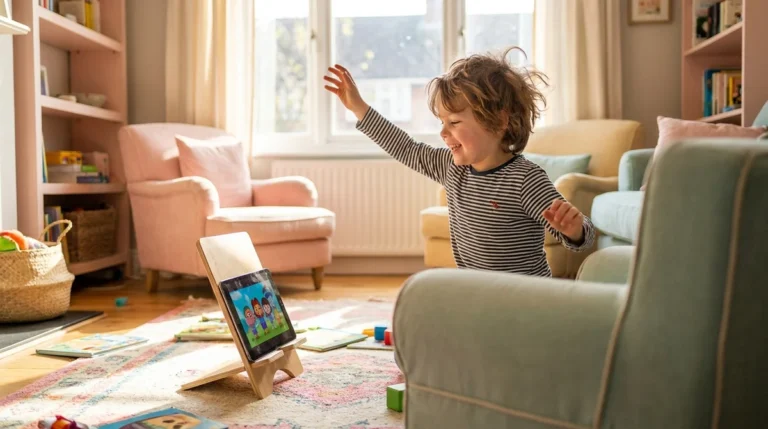
At Active Minds, we build learning games around exactly this principle. Our flagship game, Hoppy Math, lets children aged 5–10 solve math problems by moving — jumping, reaching, and gesturing — while the device’s camera reads their movements. No sensors, no wearables, and the camera feed never leaves the device. The questions follow the school curriculum and adapt to your child’s pace. For a kinesthetic learner, it turns math practice from a worksheet into a full-body game.
Frequently Asked Questions
What is kinesthetic learning in one sentence?
It’s learning through movement and hands-on doing, rather than only through listening or watching.
Is kinesthetic learning the same as tactile learning?
They’re closely related and often used interchangeably. Tactile emphasizes touch (hands-on manipulation), while kinesthetic emphasizes whole-body movement. Most kinesthetic learners benefit from both.
Can a child be both visual and kinesthetic?
Absolutely — most children blend styles. A strong kinesthetic preference simply means movement should be part of how they study, not the only way.
Is kinesthetic learning scientifically valid?
The idea that movement and hands-on activity deepen engagement and memory is well supported. The key practical takeaway: children learn better when teaching matches how they naturally engage — and for many kids, that means doing, not just listening.
The takeaway
Kinesthetic learning is learning by doing — and for many children, it’s the difference between dreading a subject and loving it. Recognize the signs, add movement to the lesson, and watch what changes.
Want to see it in action with math? Download Hoppy Math and let your child solve their first problems by jumping, not sitting.