Kinesthetic Learning: How Movement Helps Children Learn (Especially Math)
Some children seem to absorb a lesson the moment they can touch it, build it, or act it out — and lose focus the moment they have to sit still and listen. If that sounds like your child, you’re not looking at a discipline problem. You’re looking at a kinesthetic learner: someone who learns best through movement and hands-on experience.
Kinesthetic learning is one of the most powerful and most overlooked ways children take in information. This guide explains what it is, why it works, how to recognize it in your child, and how to turn it into an advantage — including in the subject parents worry about most: math.
What is kinesthetic learning?
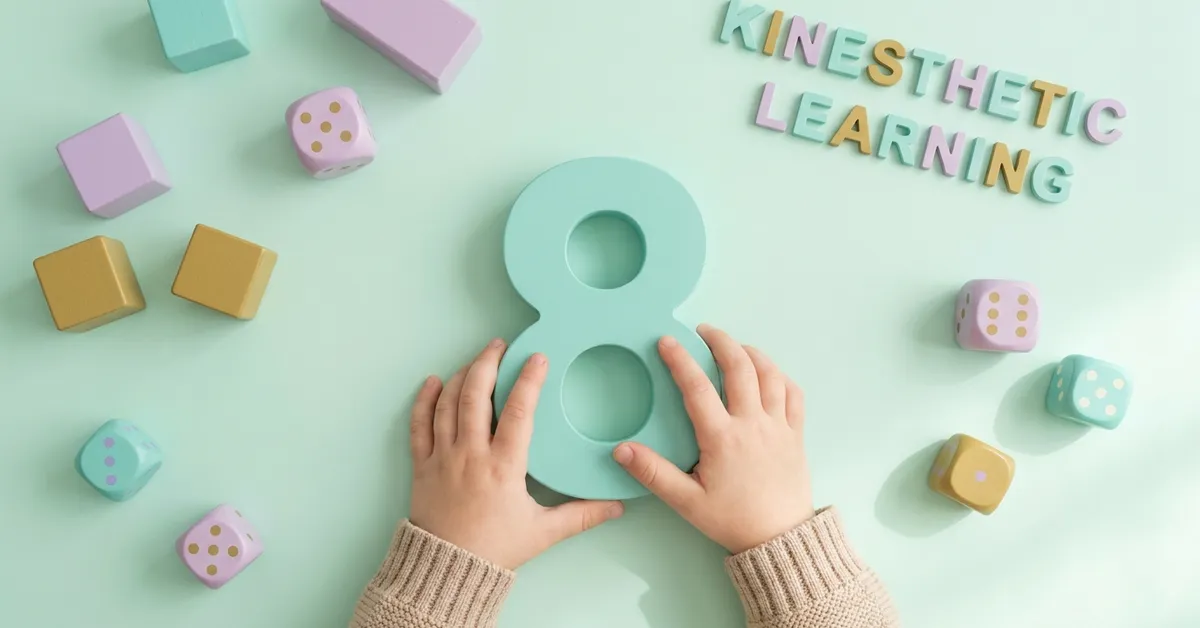
Kinesthetic learning (sometimes called tactile or “hands-on” learning) is learning through physical activity and movement rather than through listening or watching alone. A kinesthetic learner understands a new idea best when their body is involved — counting by jumping, spelling by tracing letters in the air, or grasping fractions by cutting up a real piece of fruit.
It’s part of the well-known VARK model of learning preferences (Visual, Auditory, Reading/writing, and Kinesthetic). Most people use a mix of all four, but many children lean strongly toward the kinesthetic side, especially in their early years when the body is the primary tool for exploring the world. For a deeper definition and the research behind it, see our guide on what is kinesthetic learning.
Why kinesthetic learning works
Movement isn’t a distraction from learning — for many children it’s the doorway to it. A few reasons it’s so effective:
- It strengthens memory. When learning is tied to a physical action, the brain encodes it in more places at once. A child who acts out a concept tends to remember it longer than one who only hears it.
- It sustains attention. Asking an energetic child to sit perfectly still burns willpower that could go toward learning. Let them move, and that energy fuels focus instead of fighting it.
- It lowers anxiety. Hands-on, playful learning removes the “right answer or else” pressure. Mistakes become part of the activity, not a source of fear.
- It makes abstract ideas concrete. Numbers, letters, and rules are abstract. Movement turns them into something a child can feel and do.
Signs your child might be a kinesthetic learner
Children rarely announce how they learn — they show you. Common signs include a child who:
- Struggles to sit still for long and learns better when allowed to move
- Loves building, taking things apart, sports, dance, or anything hands-on
- Uses gestures when talking or thinking
- Remembers what they did far better than what they were told
- Gets restless during long explanations but lights up during activities
None of these are problems to be fixed. A child who “can’t sit still” is often simply a child whose body wants to take part in the learning. The goal isn’t to suppress that energy — it’s to channel it.
Kinesthetic learning and the VARK learning styles
The idea of learning styles helps parents and teachers offer information in more than one way. A visual learner benefits from diagrams; an auditory learner from explanation; a kinesthetic learner from doing. In practice, the best teaching blends all of them — but recognizing a strong kinesthetic preference lets you stop forcing a “sit and listen” approach that simply isn’t landing. Learn how to identify and support it in our piece on the kinesthetic learning style.
The benefits go beyond the lesson
When a kinesthetic learner is taught in the way they learn best, the payoff reaches further than any single subject:
- Deeper retention of what they study
- Stronger focus and self-regulation, because their energy has somewhere to go
- More confidence, as “I can’t do this” gives way to “let me try again”
- Better physical coordination, since movement-based learning develops the body alongside the mind
- A healthier relationship with learning — it becomes something they want to do, not something done to them
Kinesthetic learning activities you can try at home
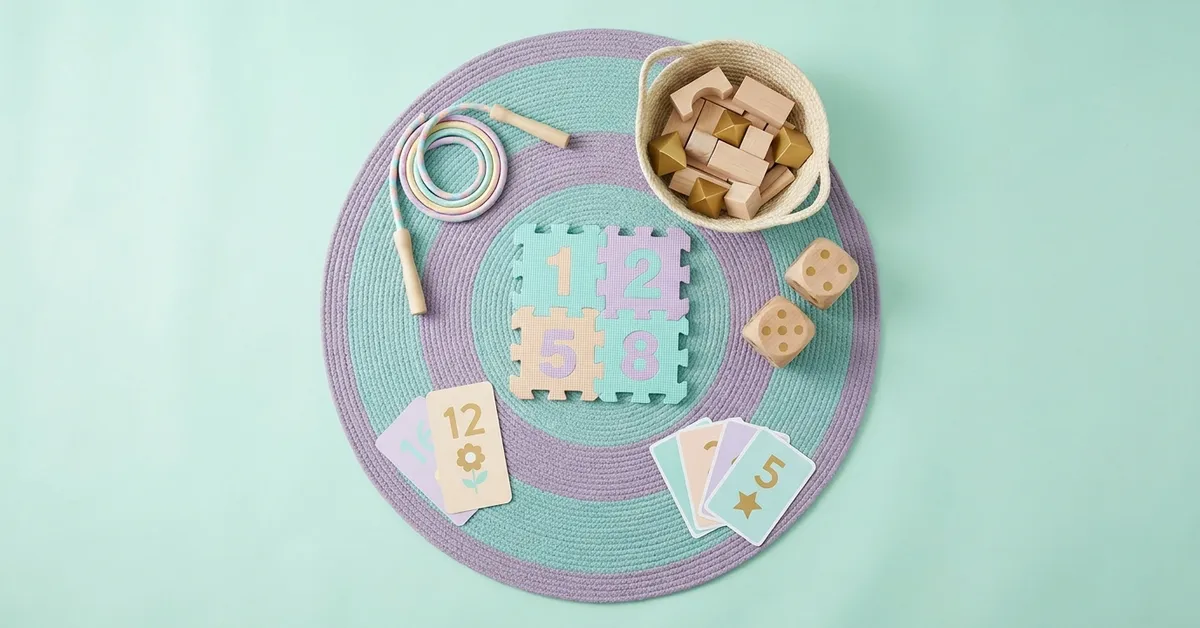
You don’t need special equipment to start. A few simple ideas:
- Jump-and-count. Call out a number; your child jumps that many times while counting aloud.
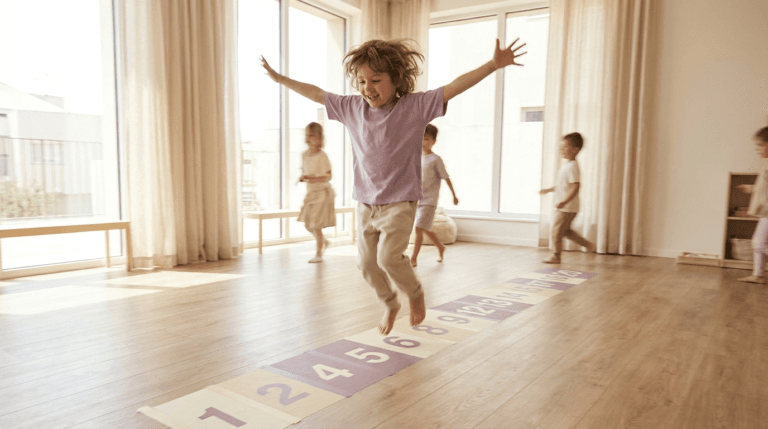
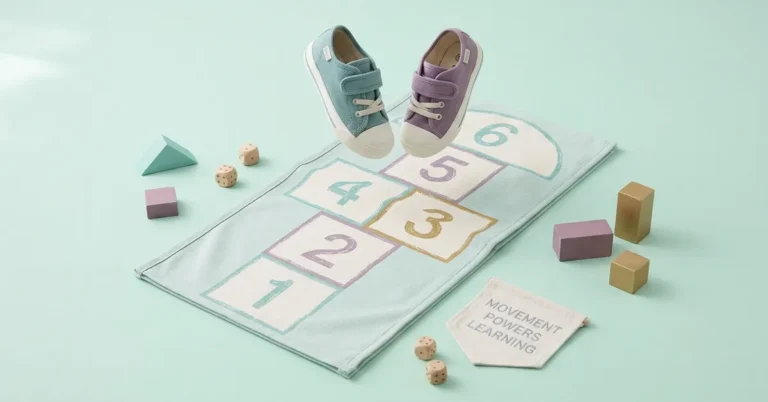
- Floor number line. Tape numbers on the floor and have your child hop to the answer of a simple problem.
- Spell it with your body. Trace letters in the air or form them with arms and legs.
- Kitchen learning. Measuring, pouring, and dividing food teaches fractions and counting through doing.
- Movement patterns. Clap-stomp-clap-stomp sequences build the same pattern skills used in early math.
For a full, age-by-age list, see our kinesthetic learning activities guide, and for younger children specifically, kinesthetic learning for kids.
Kinesthetic learning and math: turning a hard subject active
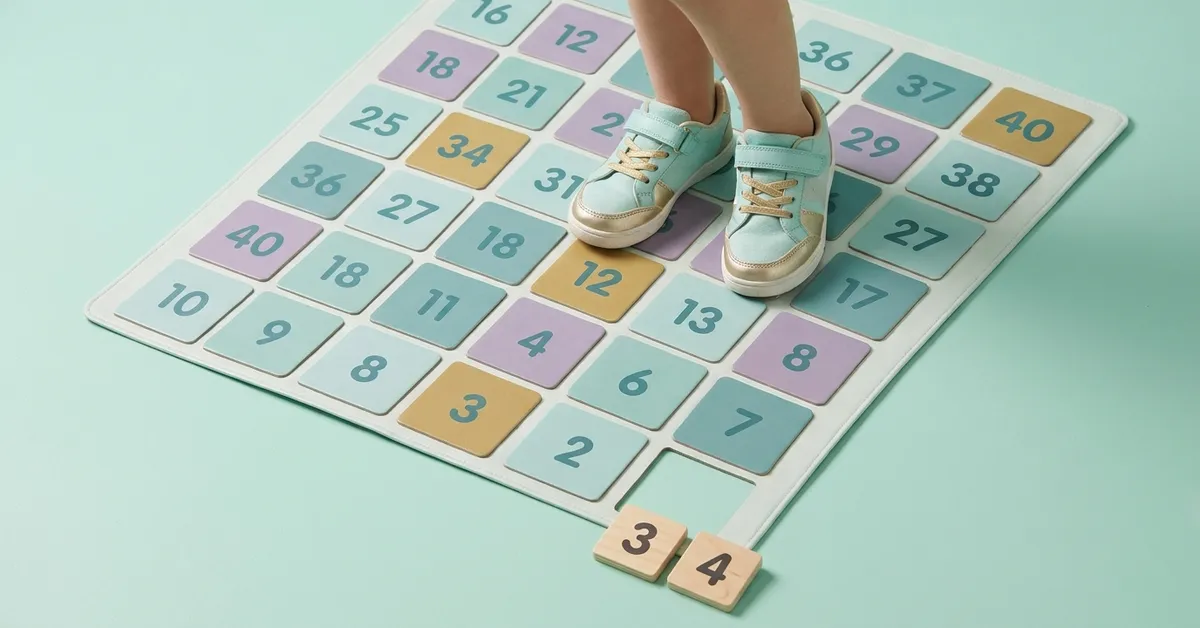
Math is the subject where kinesthetic learning can make the biggest difference. For many children, math feels abstract and intimidating — rows of symbols on a page with no connection to the real world. That abstraction is exactly where anxiety creeps in.
Movement changes that. When a child jumps to the correct answer, reaches for the right number, or races to match a sum, the math stops being a worksheet and becomes a game their whole body plays. The concept lands because they lived it. This is the heart of kinesthetic math learning, and it’s where an energetic child can suddenly go from “I’m bad at math” to “let me try the next one.”
Active screen time vs passive screen time
Here’s a distinction most screen-time advice misses: not all screen time is equal.
- Passive screen time means a child sits still and watches. Body and mind are mostly idle.
- Active learning means a child thinks, decides, and — ideally — moves.
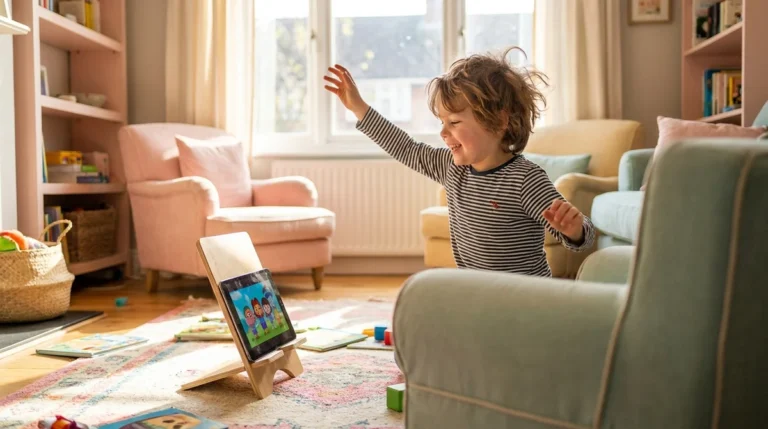
The value of a learning app isn’t whether it’s on a screen; it’s how active it makes the child. An app that’s only tapped at is closer to passive watching. An app that gets a child up and moving turns the same minutes into a real learning session. The question to ask isn’t “how much screen time?” but “what is the screen doing for my child?”
How Active Minds brings kinesthetic learning to the screen
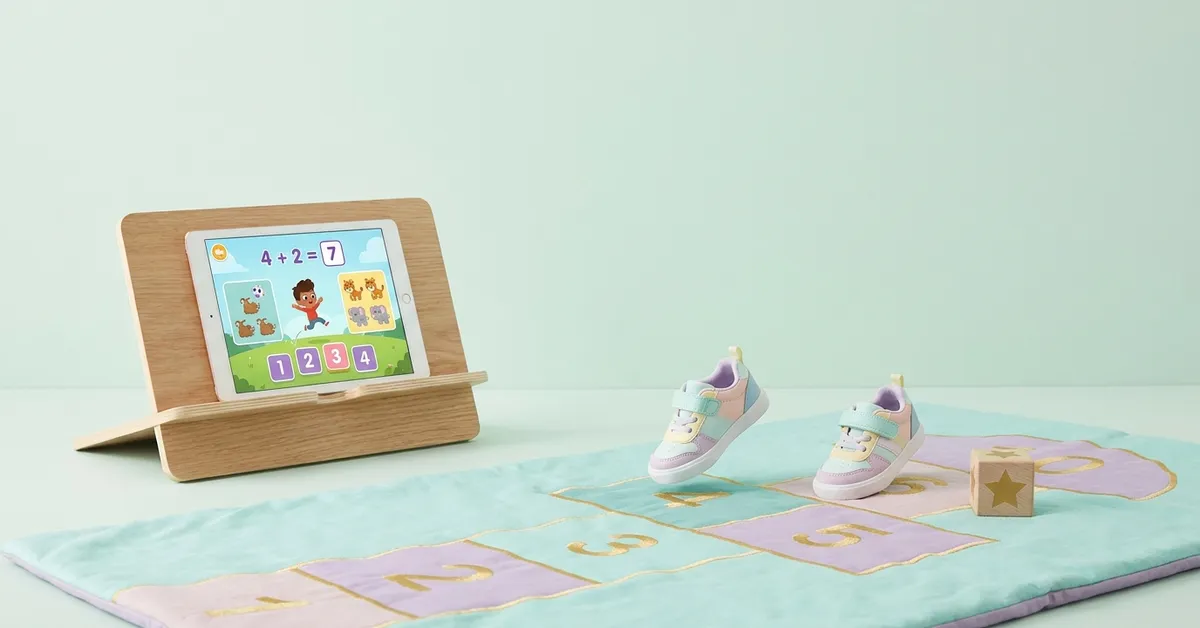
This is the idea Active Minds was built around. Instead of asking children to sit and tap, we make movement the controller.
Our flagship game, Hoppy Math, is designed for ages 5–10 and works unlike most learning apps:
- Move to play — no sensors, no wearables. Your child jumps, bends, and reaches; the device’s camera reads those movements and turns them into gameplay. Nothing to strap on.
- Privacy first. Our motion engine, AuraVision, runs on the device itself — the camera feed never leaves it.
- Curriculum-aligned and adaptive. Questions progress by grade level and adjust to your child’s pace.
- Active, not passive. Children don’t watch the screen — they move with it. Screen time becomes a skill-building adventure.
And this isn’t theory from a lab. We developed Hoppy Math in real classrooms, with real children, alongside Maya Schools — so the approach is tested, not assumed.
How to support a kinesthetic learner
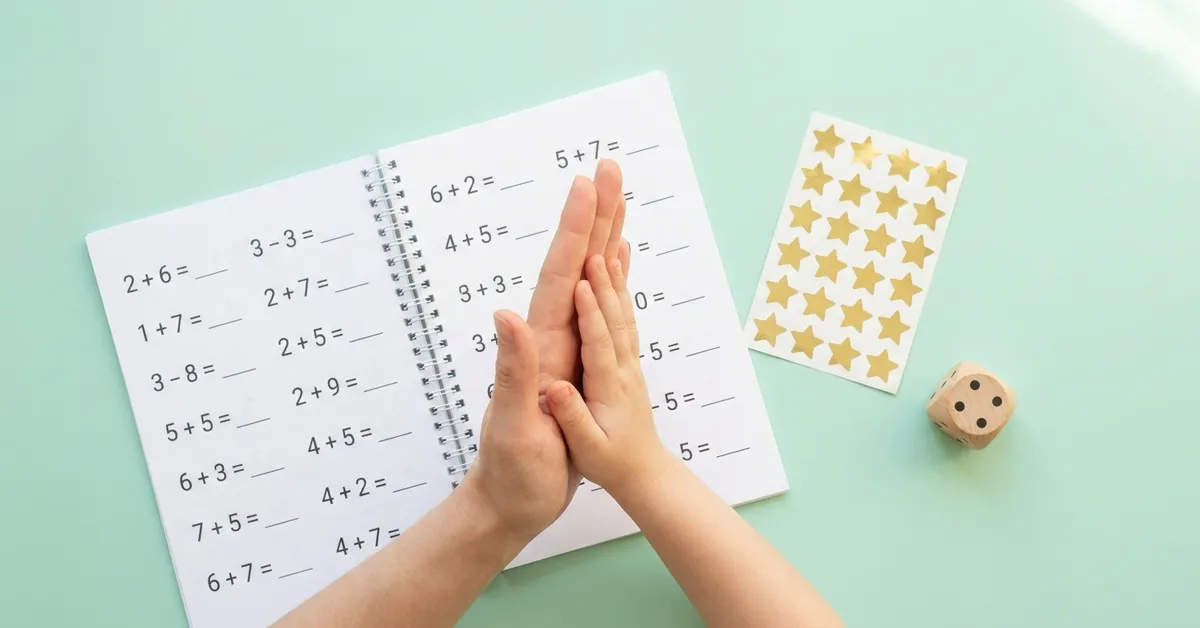
A few simple habits make a big difference:
- Let them move while they learn. Standing, pacing, or fidgeting can help focus rather than hurt it.
- Make it hands-on. Turn lessons into something to build, touch, or act out.
- Praise effort, not just results. “You kept trying” builds more resilience than “you’re so smart.”
- Keep sessions short and active. Frequent short bursts beat one long, still session.
- Connect learning to real life. Counting at the store, measuring in the kitchen — let learning leave the desk.
Common mistakes to avoid
- Treating restlessness as misbehavior. It’s often a signal about how the child learns, not a discipline issue.
- Relying only on “sit and listen.” For a kinesthetic learner, this is the least effective method.
- Calling passive apps “educational.” If it doesn’t engage the child actively, its teaching power is limited.
- Pushing too hard. Turning movement-based play into a rigid drill removes its biggest advantage — the joy.
Frequently Asked Questions
What is kinesthetic learning in simple terms?
It’s learning by doing and moving — using physical activity and hands-on experience instead of only listening or watching. A child who learns a concept by acting it out is learning kinesthetically.
How do I know if my child is a kinesthetic learner?
Look for signs like difficulty sitting still, a love of building or sports, learning better by doing than by being told, and using gestures while thinking. Most children show a mix of styles, but a strong preference for movement is a clear clue.
Can kinesthetic learning help with math?
Yes — it’s one of the most effective approaches for math, because movement turns abstract numbers into something concrete a child can feel and do. It also reduces the anxiety many children feel toward the subject.
Is screen time bad for kinesthetic learners?
It depends on the screen. Passive watching offers little; an app that gets a child moving turns the same time into active learning. Focus on quality and activity, not just quantity.
What makes Hoppy Math different?
It replaces tapping with movement — children play by jumping and gesturing, read by a camera (no wearables, and the feed stays on the device). It’s curriculum-aligned, adaptive, and tested in real classrooms.
A simple way to start this week
You don’t need a plan or a budget — just try three things:
- Add movement to one lesson. Turn counting, spelling, or a math fact into something your child does with their body.
- Take learning off the desk once a day. Count at the store, measure in the kitchen, spot shapes on a walk.
- Try one active learning tool. If you use a screen, choose one that gets your child moving rather than sitting still.
Watch what changes over a week. For many children, the first sign is small but real: “I can’t” quietly becomes “let me try again.”
Let your child learn by moving
Kinesthetic learning isn’t a workaround for restless kids — it’s a genuine strength, and one of the most effective ways children learn. The most powerful results come when learning engages both the mind and the body.
To give your child a way to learn math by jumping, laughing, and moving instead of sitting still, download Hoppy Math and play the first round together. It’s time to turn screen time into real skills.